Introduction
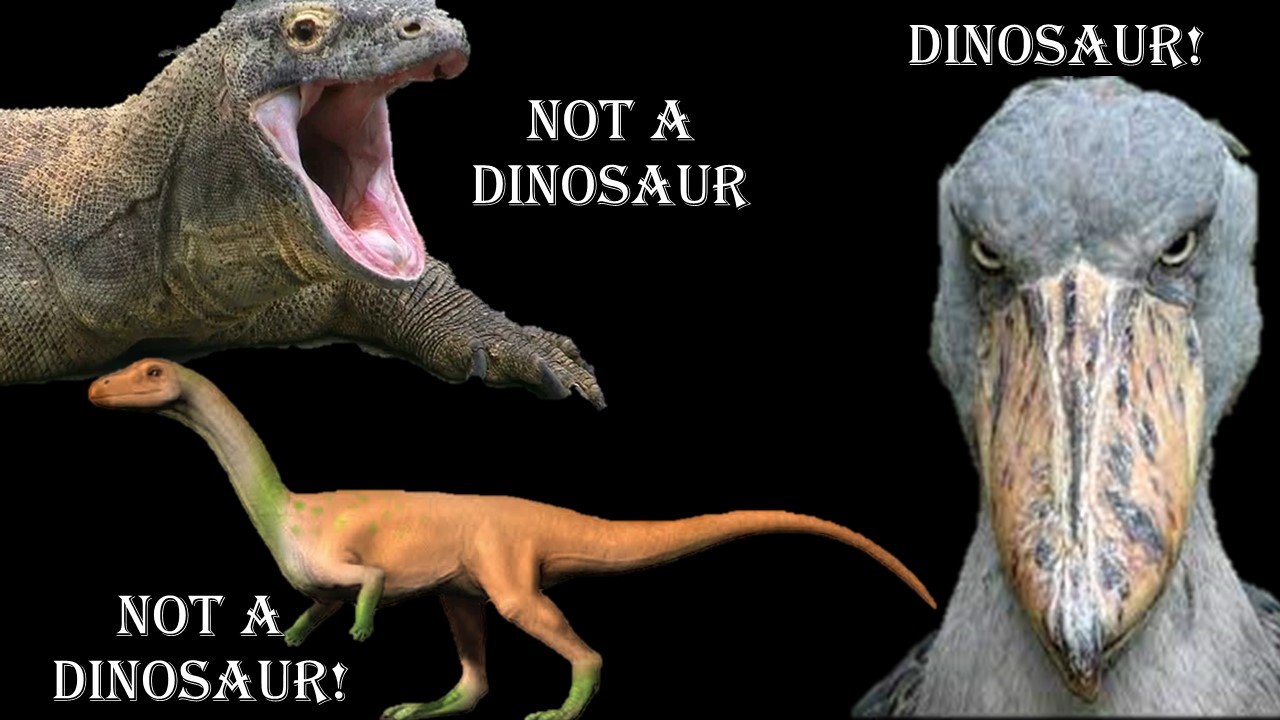
Hardly any other group of extinct animals fascinates young and old more than dinosaurs. The Mesozoic era is often referred to as the „age of the dinosaurs“ because these amazing animals evolved in the late Triassic and dominated the landscape for over 140 million years during the rest of the Jurassic and Cretaceous periods. But even today, our planet is home to a myriad of different dinosaur species. But we’re not talking about turtles, lizards, snakes or crocodiles – we’re talking about birds. From the smallest hummingbird to the ostrich, all of the 11,000 or so living bird species described today are real dinosaurs (Chiappe 2009, Currie 2023). But why are birds real dinosaurs, but lizards and crocodiles are not? Why are genera such as Effigia, which look remarkably similar to our idea of a dinosaur (Fig. 1), not dinosaurs but rather related to crocodiles (Nesbitt et al. 2006, Nesbitt 2007, Nesbitt 2011)? And why are genera such as Silesaurus (Fig. 1), which look so similar to the genus Effigia to the layman, closer to dinosaurs, but are still not true dinosaurs (Nesbitt et al. 2010, Nesbitt 2011, Dzik 2003, Schmitt 2023)?