
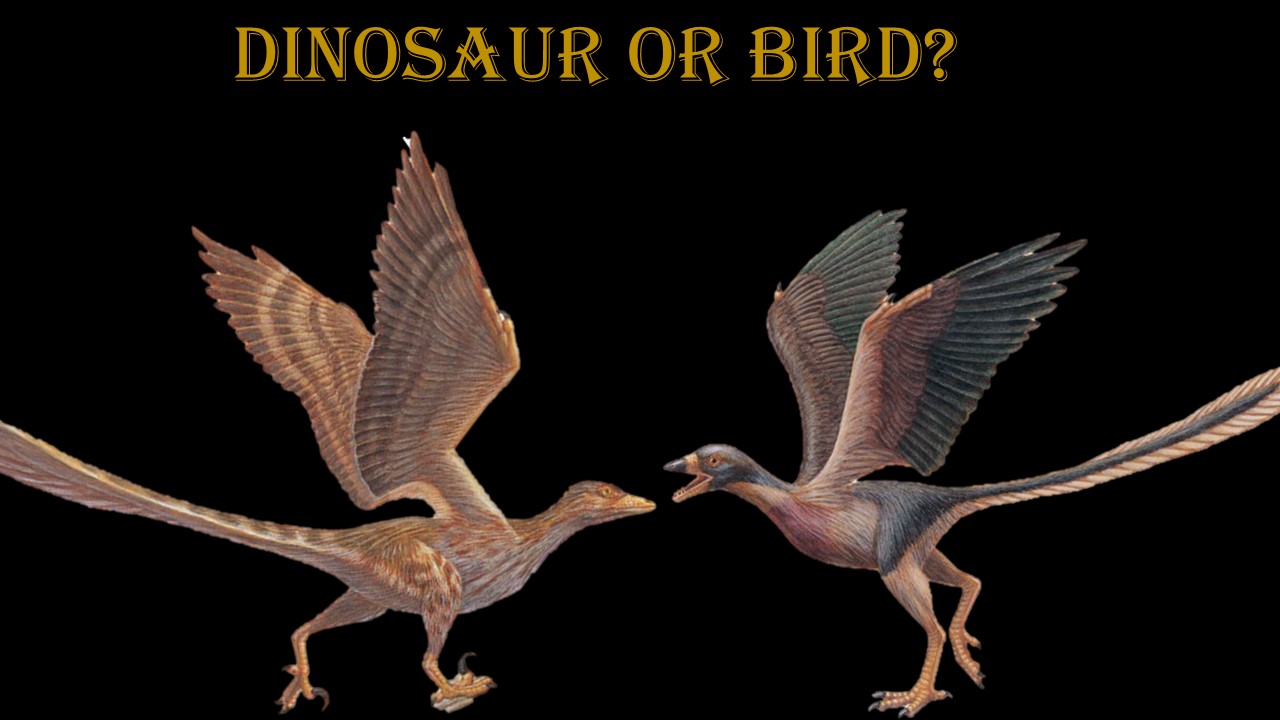
Are birds dinosaurs? Part 3/9: Feathered dragons

In the last episodes, we examined the characteristics of dinosaurs and presented some evolutionary transitions within non-avian dinosaurs. But probably the most important and best documented evolutionary transition is the one between theropods, the carnivorous dinosaurs, and modern birds.

Within the dinosaur family tree, birds belong to the Avialae (Weishampel et al. 2004, Currie 2023, Fastovsky & Weishampel 2021, Holtz 2007, Paul 2016, Prothero 2017, 2022, Schweitzer et al. 2021, Neukamm & Beyer 2023, Cau 2018, Gauthier & Gall 2001, Norell & Xu 2005, Witmer 2009, Padian & Chiappe 1998, Chiappe 2009 Fig. 1). Paleontologists traditionally include all species descended from the last common ancestor of Archaeopteryx and modern birds in the Avialae – mainly small, airborne feathered animals with fully developed wings (Senter 2007, Agnolin & Novas 2013). Jacques Gauthier, who named the Avialae in 1986, redefined them in 2001 as all dinosaurs that possessed feathered wings used for flapping flight and the birds that descended from them (Gauthier 1986, Gauthier & de Queiroz 2001).
pdf file

Weiterlesen

Are birds dinosaurs? Part 1/9: What are dinosaurs?

Introduction

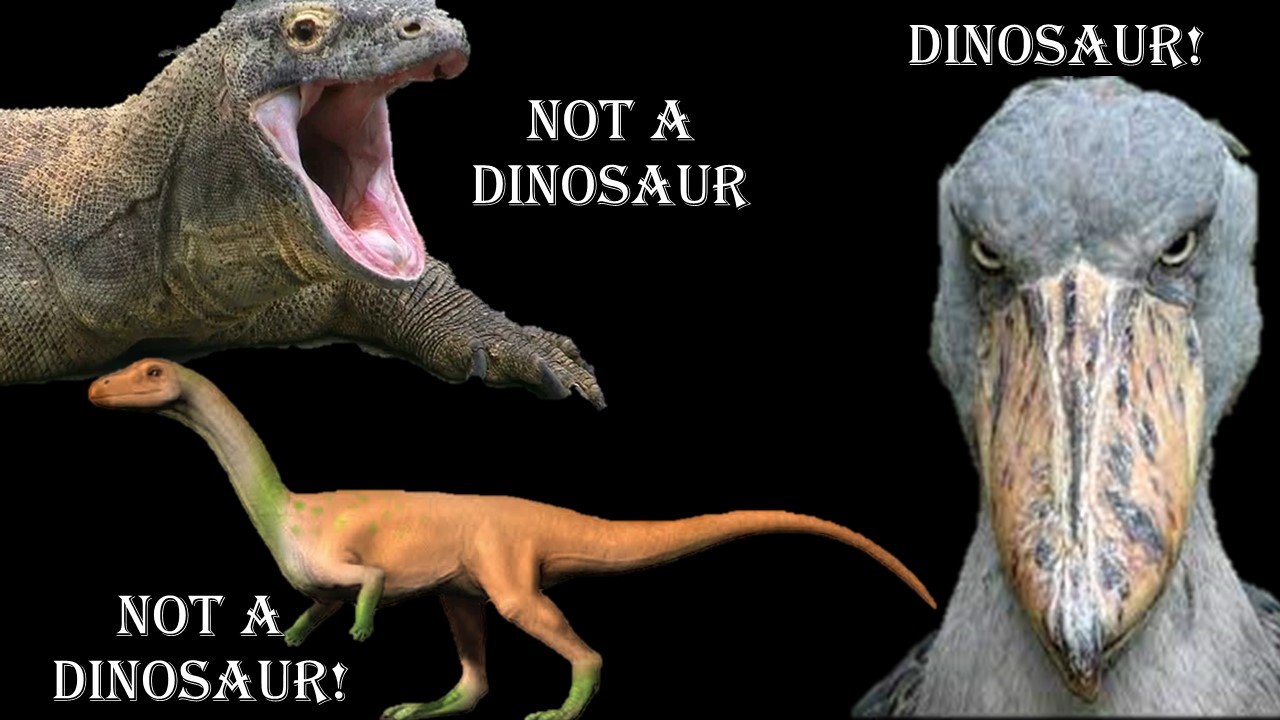
Hardly any other group of extinct animals fascinates young and old more than dinosaurs. The Mesozoic era is often referred to as the „age of the dinosaurs“ because these amazing animals evolved in the late Triassic and dominated the landscape for over 140 million years during the rest of the Jurassic and Cretaceous periods. But even today, our planet is home to a myriad of different dinosaur species. But we’re not talking about turtles, lizards, snakes or crocodiles – we’re talking about birds. From the smallest hummingbird to the ostrich, all of the 11,000 or so living bird species described today are real dinosaurs (Chiappe 2009, Currie 2023). But why are birds real dinosaurs, but lizards and crocodiles are not? Why are genera such as Effigia, which look remarkably similar to our idea of a dinosaur (Fig. 1), not dinosaurs but rather related to crocodiles (Nesbitt et al. 2006, Nesbitt 2007, Nesbitt 2011)? And why are genera such as Silesaurus (Fig. 1), which look so similar to the genus Effigia to the layman, closer to dinosaurs, but are still not true dinosaurs (Nesbitt et al. 2010, Nesbitt 2011, Dzik 2003, Schmitt 2023)?

Weiterlesen